Learn Italian with a Native ItalianTeacher Online & In- Person Lessons for Beginners and Travelers info@ciaoitalianlessons.com
Giorno della Memoria
International Holocaust Remembrance Day
ITALIAN CULTURE
1/27/20264 min leggere
LA GIORNATA DELLA MEMORIA
Quando nel settembre 1943 l’Italia firma l’Armistizio con l’America e la Gran Bretagna, immediatamente passa da alleata a nemica della Germania.
I soldati italiani che prima combattevano fianco a fianco con i tedeschi vengono subito considerati avversari e fatti prigionieri.
Da quel momento i tedeschi controlleranno il territorio italiano centro settentrionale e nel corso del 1944-1945 vanno alla ricerca dei registri delle persone di paesi e citta’ per trovare e deportare gli ebrei nei Campi di concentramento.
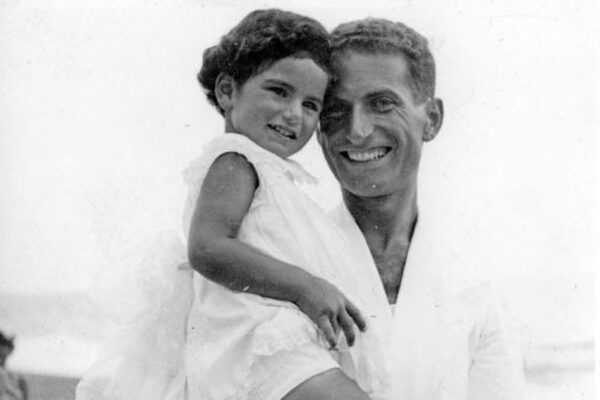
Migliaia di ebrei iniziano ad essere arrestati e deportati e tra questi c’e’ una ragazzina di 13 anni, cresciuta in una famiglia ebrea non praticante che viene deportata a Auschwitz su un treno merci partito dai sotterranei della stazione di Milano con l’amatissimo padre e i due nonni. Tornera’ solo lei, e dopo decenni trovera’ la forza di raccontare la crudele e inimmaginabile esperienza nel campo di concentramento, il dolore della perdita della sua famiglia e della difficilta’ di riprendere a vivere dopo un trauma quasi impossibile da raccontare.
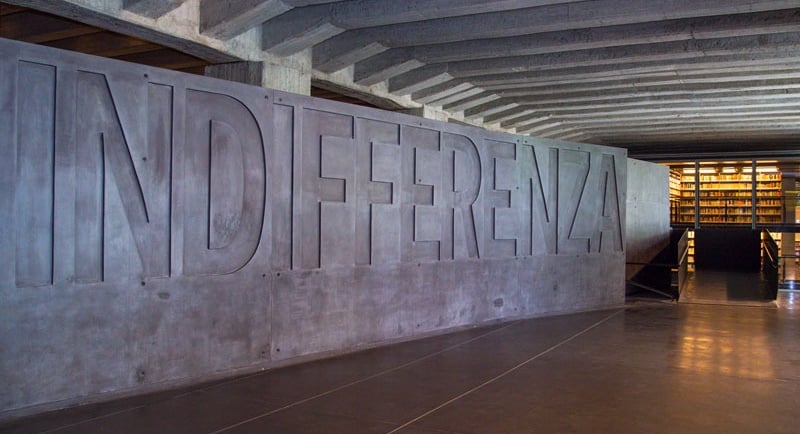
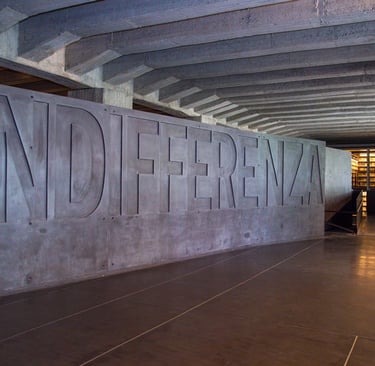
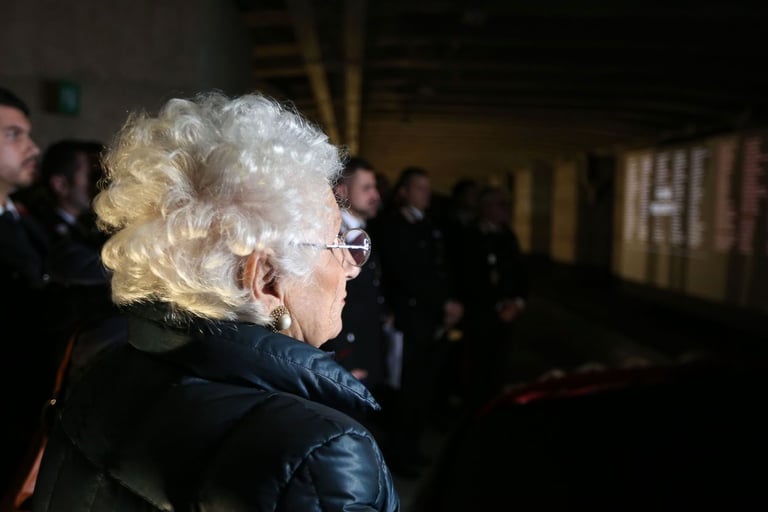
E’ oggi senatrice e un’insostituibile testimone dei valori di liberta’, pace e rispetto tra gli uomini. E’ stata partecipe della creazione del Museo Memoriale della Shoah che si trova sul binario sotterraneo della Stazione di Milano in memoria di tutti quelli che come lei sono stati stipati come animali in uno scompartimento di un treno merci verso un destino ancora ignoto. La parola scelta da Liliana per rappresentare il male che ha permesso tutto quell’orrore e’ stata: indifferenza, di chi non ha reagito, di chi ha preferito girarsi dall’altra parte, per poco coraggio o per convinzione.
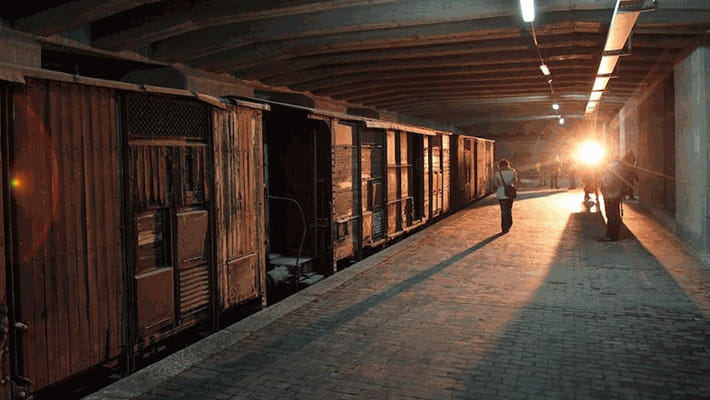
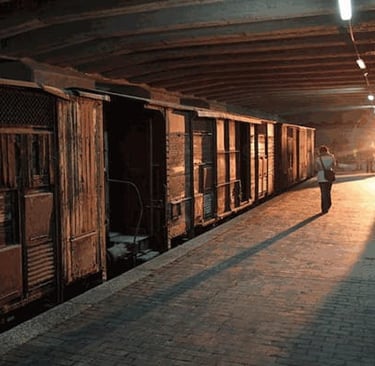
Ho visitato questo museo qualche anno fa, ed e’ un’esperienza che consiglio a tutti quelli che vivono o passano per Milano. La vista del binario, dei piccoli e claustrofobici scomparti di legno del treno riportano la mente indietro nel tempo a quello che doveva essere stata la disperazione, la confusione e le terribili condizioni umane a cui queste povere persone sono state condannate solo “ per la colpa di essere nati” , come dice Liliana Segre.
Ricordare, riflettere, vedere e sentire la storia e’ il modo migliore che abbiamo perche’ il passato ritorni nel presente e ci rammenti di non essere piu’ indifferenti, di non lasciar succedere ancora questo dolore.

REMEMBRANCE DAY
When Italy signed the Armistice with America and Great Britain in September 1943, it immediately went from being Germany's ally to its enemy.
The Italian soldiers who had previously fought side by side with the Germans were immediately considered enemies and taken prisoner.
From that moment on, the Germans are in control of the central-north Italy and during 1944-1945 search towns and cities registers to find and deport Jews to the concentration camps.
Thousands of Jews are arrested and deported, among them a 13-year-old girl who had grown up in a Jewish family in Milan and is deported to Auschwitz with her beloved father and two grandparents on a freight train that leaves from the underground level of Milan train station . She is the only one to come back after the war, and decades later she find the strength to tell her cruel and unimaginable experience in the concentration camp, the pain of losing her family, and the struggle of start a new life after a trauma that is almost impossible to describe. Today she is a senator and an irreplaceable voice to the values of freedom, peace, and respect among men. She participated in the creation of the Shoah Memorial Museum, located in the underground platform of Milan's train station, in memory of all those who, like her, were crammed like animals into a freight train compartment to an unknown destination. The word Liliana chosen to encapsulate the evil that allowed all that horror to happen was indifference, of those who did not react, of those who preferred to look the other way, either out of lack of courage or conviction.
I visited this museum a few years ago, and it is an experience I recommend to anyone who lives in or passes through Milan. The sight of the platform and the narrow, suffocating wooden train compartments take the mind back in time to what must have been the despair, confusion, and terrible human conditions to which these poor people were condemned simply “for the crime of being born,” as Liliana Segre quotes.
Remembering, reflecting, seeing, and feeling history are the best ways we have to bring the past back into the present to remind us not to be indifferent anymore, not to let this pain happen again.