Learn Italian with a Native ItalianTeacher Online & In- Person Lessons for Beginners and Travelers info@ciaoitalianlessons.com
La Tradizione della Befana
Una Festa per tutti i bambini
1/5/20261 min leggere
La Befana
January 6 marks the Day of the Befana, which falls on the same day of the Catholic Day of Epiphany, which is considered the last day of the Festivities.. Children usually return to school from their Christmas break on January 7.
The name Befana is the Italian word from the transformation of the Latin epiphanĭa for Epiphany, and then through bifanìa and befanìa to the current Italian Befana.
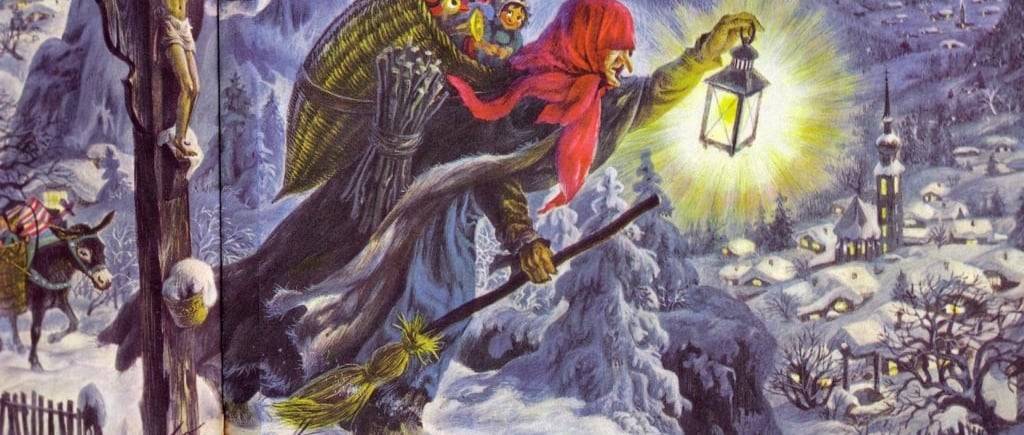
La Befana is an old woman who looks like a good witch. She flies on her broomstick to the homes of Italian children, on the night of January 5. She leaves them sweets and treats in the stockings they have hung up for the occasion.
In Italy, it is tradition to hang stockings not for Father Christmas but for Befana, who fills them with sweets and even sweet coal to the delight of children.
La Befana (Popular nursery rhyme taught to children)
La Befana comes at night with her shoes all broken and patches on her skirt: Hurray Hurray La Befana!
La Befana
Il 6 gennaio si celebra la Festa della Befana che coincide con l’Epifania che e’ l’ultimo giorno delle delle Festivita’ natalizie. Di solito, i bambini tornano a scuola dalla vacanze di Natale dal 7 gennaio.
Il suo nome Befana deriva dalla trasformazione della parola Epifania dal latino epiphanĭa (Epifania), e poi attraverso bifanìa e befanìa fino all'attuale italiano befana .
La Befana e’ una vecchietta dalle sembianze di una buona strega, che vola sulla suo scopa nelle case dei bambini italiani la notte del 5 gennaio. Lascia loro dolci e delizie nelle calze che hanno appeso per l’occasione.
In Italia non e’ abitudine appendere la calza per Babbo Natale, ma per la Befana che la riempie di dolcetti e perfino di carbone dolce per la gioia dei bambini.
La Befana (Filastrocca popolare)
La Befana vien di notte
con le scarpe tutte rotte
con le toppe alla sottana:
Viva, viva la Befana!