Learn Italian with a Native ItalianTeacher Online & In- Person Lessons for Beginners and Travelers info@ciaoitalianlessons.com
Carnevale in Italy!
Cos'e' il Carnevale e come lo celebriamo in Italia?
2/2/20264 min leggere
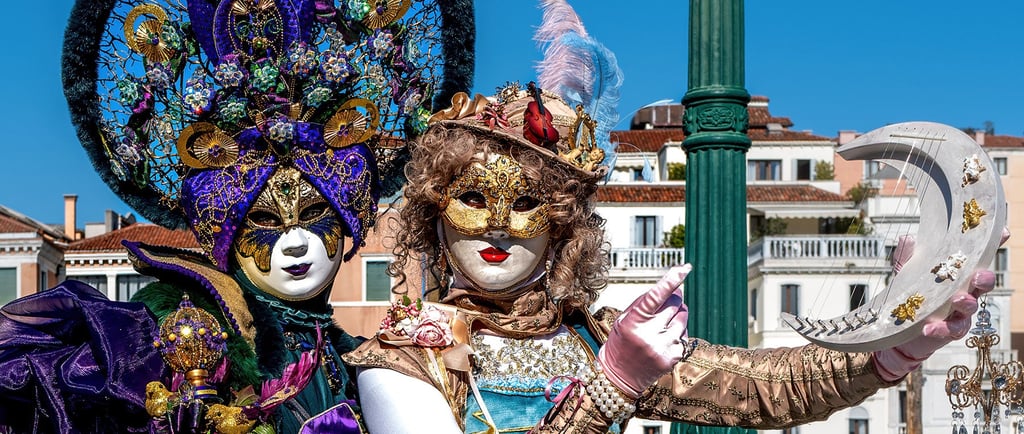
A Carnevale ogni scherzo vale! Questo e’ il famoso detto che racchiude il significato di questa amatissima festa annuale.
La tradizione del Carnevale ha orgini molto lontane nel paganesimo dei Saturnali dell’antica Roma oppure dalle feste greche dedicate a Dioniso .
Questo tipo di festivita’ regalavano un momento di fuga dalle regole e dall’ordine sociale dove la gente poteva lasciarsi andare allo scherzo, al mascherarsi. Un proverbio latino la decrive bene «semel in anno licet insanire» - "una volta l'anno è permesso fare pazzie.
L’origine etimologica della parola Carnevale sono radicate nella religione cattolica, infatti deriva dal latino carnem levare "eliminare la carne", che stava a significare il banchetto a base di cibo e carne all’ultimo giorno di Carnevale, chiamato appunto martedi’ grasso, che precede l’inizio del digiuno religioso di Quaresima, dove appunto mangiare la carne non e’ piu' concesso.
Il Carnevale quindi non ha una data precisa ogni anno, ma dipende da quando inizia la Quaresima.
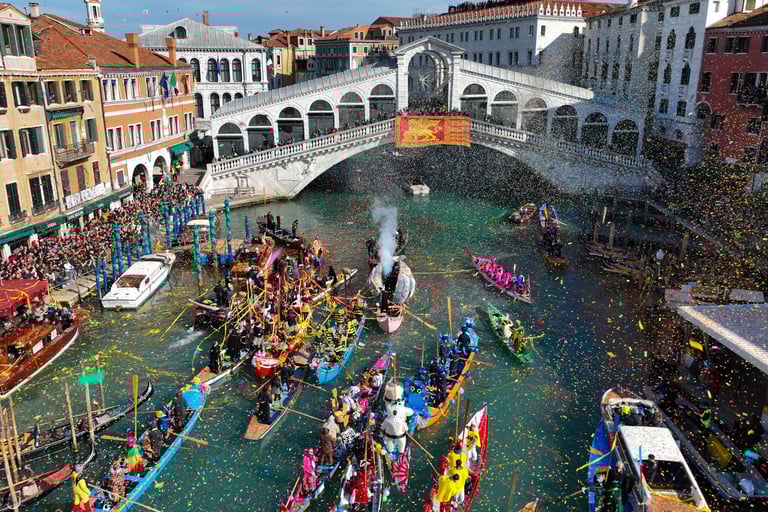
Quest’anno per esempio l’ultimo giorno di Carnevale cade il 12 febbraio '26, e le celebrazioni iniziano dal 31 gennaio a Venezia.
Il Carnevale costituisce ormai da millenni un’occasione di divertimento per grandi e piccini, tra sfilate di carri mascherati, maschere di ogni tipo, coriandoli colorati e dolcetti deliziosi.
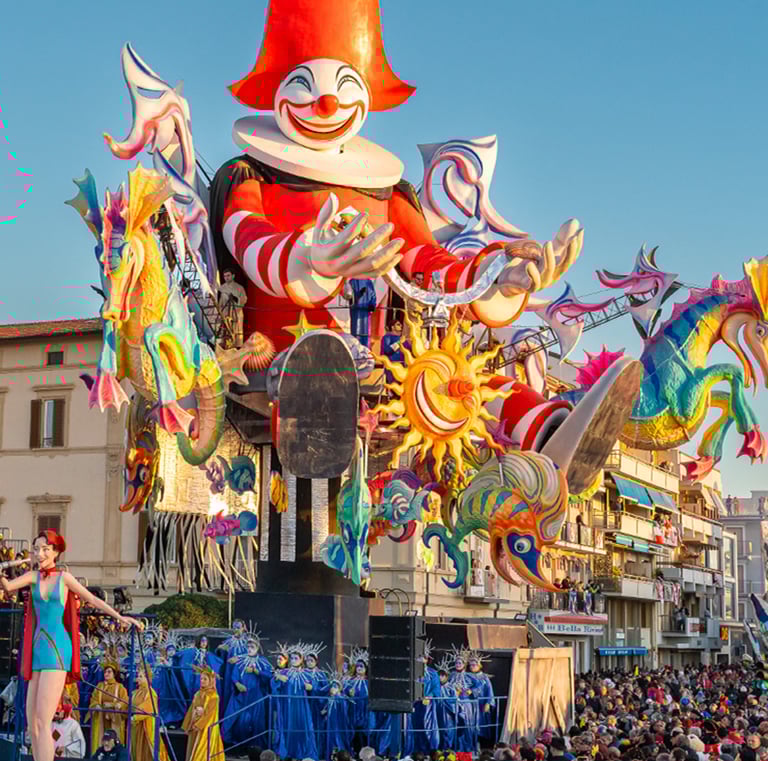
Ogni comunita’ in Italia, piccola o grande che sia, festeggia il Carnevale a proprio modo, ma alcune citta’ come Venezia, Viareggio e Sciacca sono particolarmente famose per la bellezza dei loro eventi, fatti di sfilate carri mascherati incredibilmente elaborati, satirici, allegorici e divertenti e persone in abiti mascherati molto eleganti e preziosi, .
A pochi chilometri da dove sono cresciuta, si tiene una delle piu’ famose feste di Carnevale del Trentino, a Storo, dove i paesani passano mesi preparando con cura e grande passione carri e gruppi mascherati di una bellezza unica.
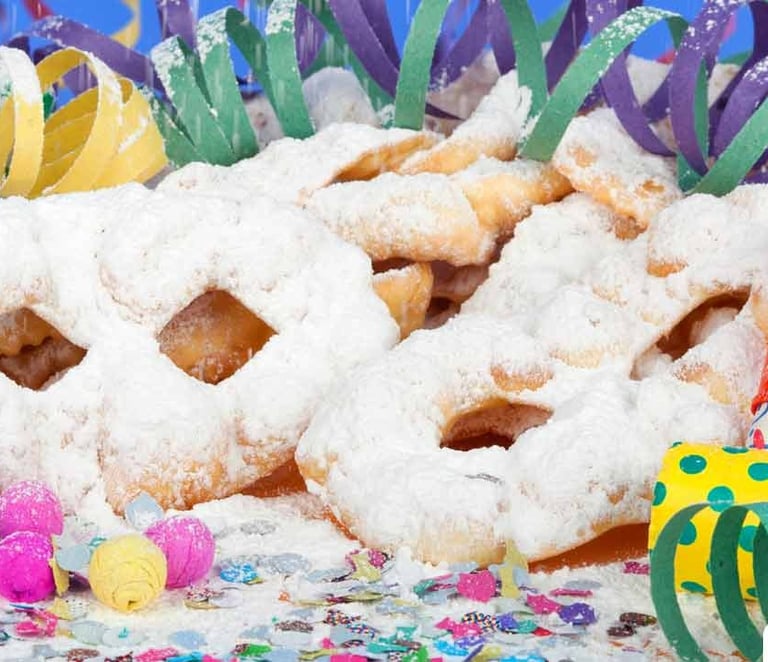
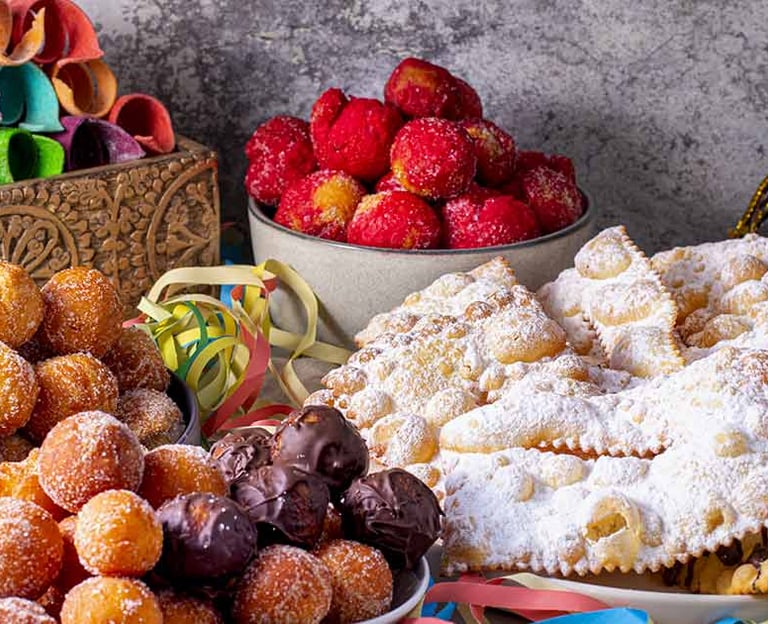
Per i bambini e’ uno dei giorni piu’ felici dell’anno, dove i colori e il divertimento regnano ovunque! E’ un giorno in cui si assaggiano delizioni dolci tipici, come le chiacchiere, le frittelle e diversi tipi di biscotti.
Le chiacchiere sono dolci fatti di un semplice impasto di farina, butto, zucchero e uova, che poi viene tagliato a scrisce, fritto in olio e coperto di zucchero a velo.
In Trentino li chiamiamo i grostoi, ma hanno diversi nomi in altre regioni d’Italia, come chiacchiere, o bugie.
La prima volta sono stati serviti dal cuoco di corte napoletano Raffaele Esposito, alla regina Margherita di Savoia con il nome di chiacchiere.
During the Carnival, any joke is allowed! This famous saying sums up the meaning of this beloved annual festival.
The tradition of Carnival goes back to the pagan Saturnalia celebrations of ancient Rome and the Greek festivities dedicated to Dionysus.
These types of festivities offered a moment of escape from rules and social order, where people could let themselves go, be goofy and joke around, even dress up in costumes. A Latin proverb describes it well: “semel in anno licet insanire” - “once a year, it is allowed to act crazy.”
The etymological origin of the word Carnival is rooted in the Catholic religion. In fact, it derives from the Latin carnem levare, “to remove the meat,” which referred to the banquet of food and meat on the last day of Carnival, called Crass Tuesday, which comes before the beginning of the religious catholic fasting of Quaresima, when eating meat is not allowed.
That is why Carnival does not have a specific date each year, but depends on when Easter is and so when Quaresima begins.
This year, for example, the last day of Carnival falls on February 17 '26 and the celebrations starts January 31 in Venice.
For thousands of years, Carnival has been an occasion for fun for kids and grown ups, with its parades of masked floats, masks of all kinds, colorful confetti, and delicious sweets.
Every community in Italy, large or small, celebrates Carnival in its own way, but some cities such as Venice, Viareggio, and Sciacca are particularly famous for the beauty of their events, featuring incredibly elaborate, satirical, allegorical, and hilarious masked parades and people dressed up in very elegant and precious costumes.
In Storo, a small village where I grew up, takes place every year one of the most famous Carnival celebrations of Trentino, where the villagers spend months carefully and passionately preparing floats and masked groups of incredible beauty.
For children, it is one of the happiest days of the year, where colors and fun is just everywhere! It is a day when you can taste typical sweet delicacies, such as chiacchiere, frittelle, and various types of biscuits.
Chiacchiere are sweets made from a simple dough of flour, butter, sugar, and eggs, which after being cut into strips is fried in oil and covered with powdered sugar.
In Trentino, we call them grostoi, but they have different names in other regions of Italy, such as chiacchiere ( chats) or bugie (lies) .
They were first served by the Neapolitan court chef Raffaele Esposito to Queen Margherita of Savoy under the name chiacchiere.